We use robotics, AI and sensing to reveal how animals move, perceive and survive,
then translate those discoveries into new machines and tools for a better world.
REBL combines robotics, AI, biomechanics and field biology to uncover how animals move, sense and survive.
How we do research.
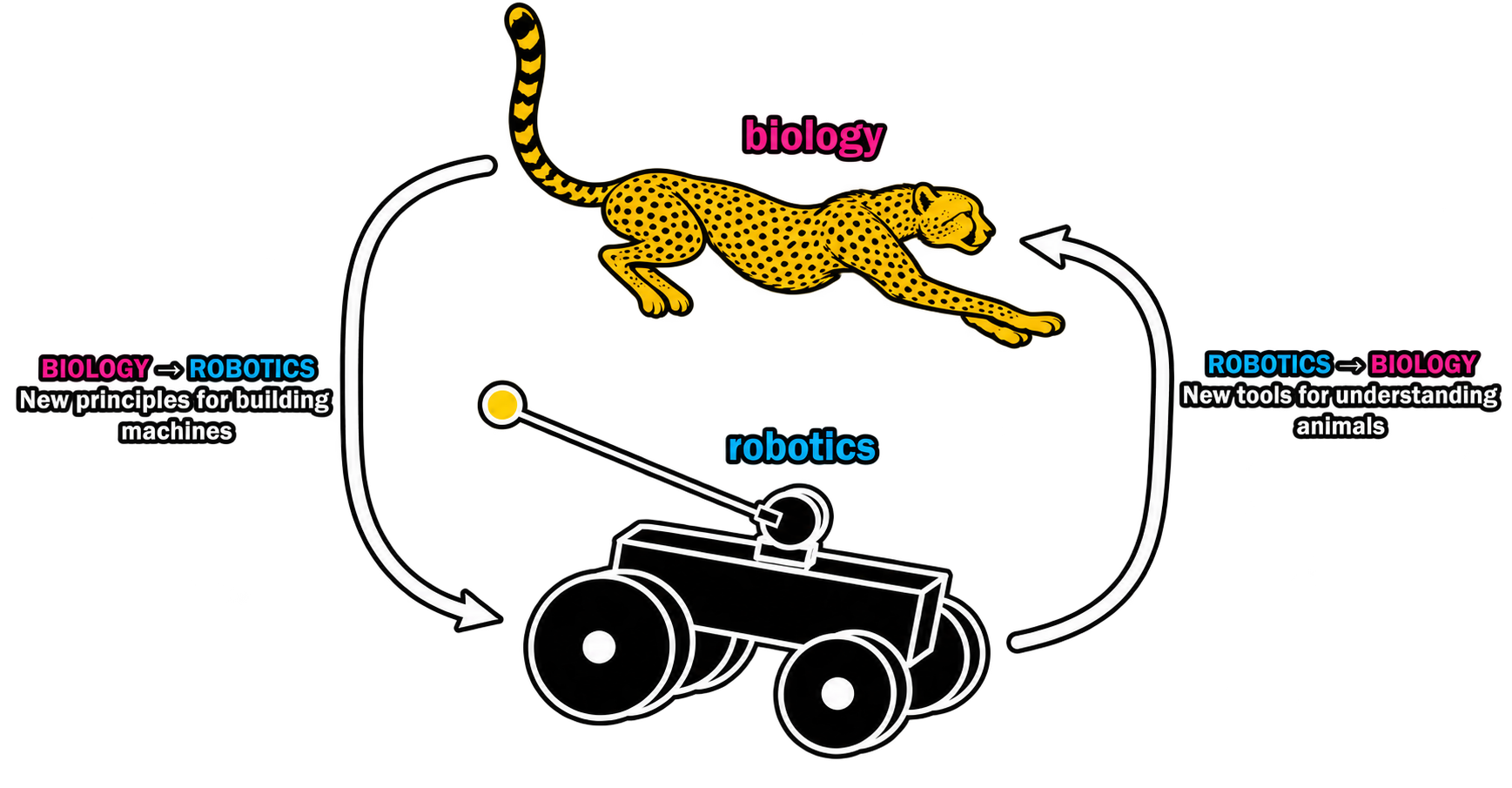
We work in a loop. Measurements of real animals become models, models become predictions we can test, and
robots put those predictions back into the physical world — where the next round of measurements begins.
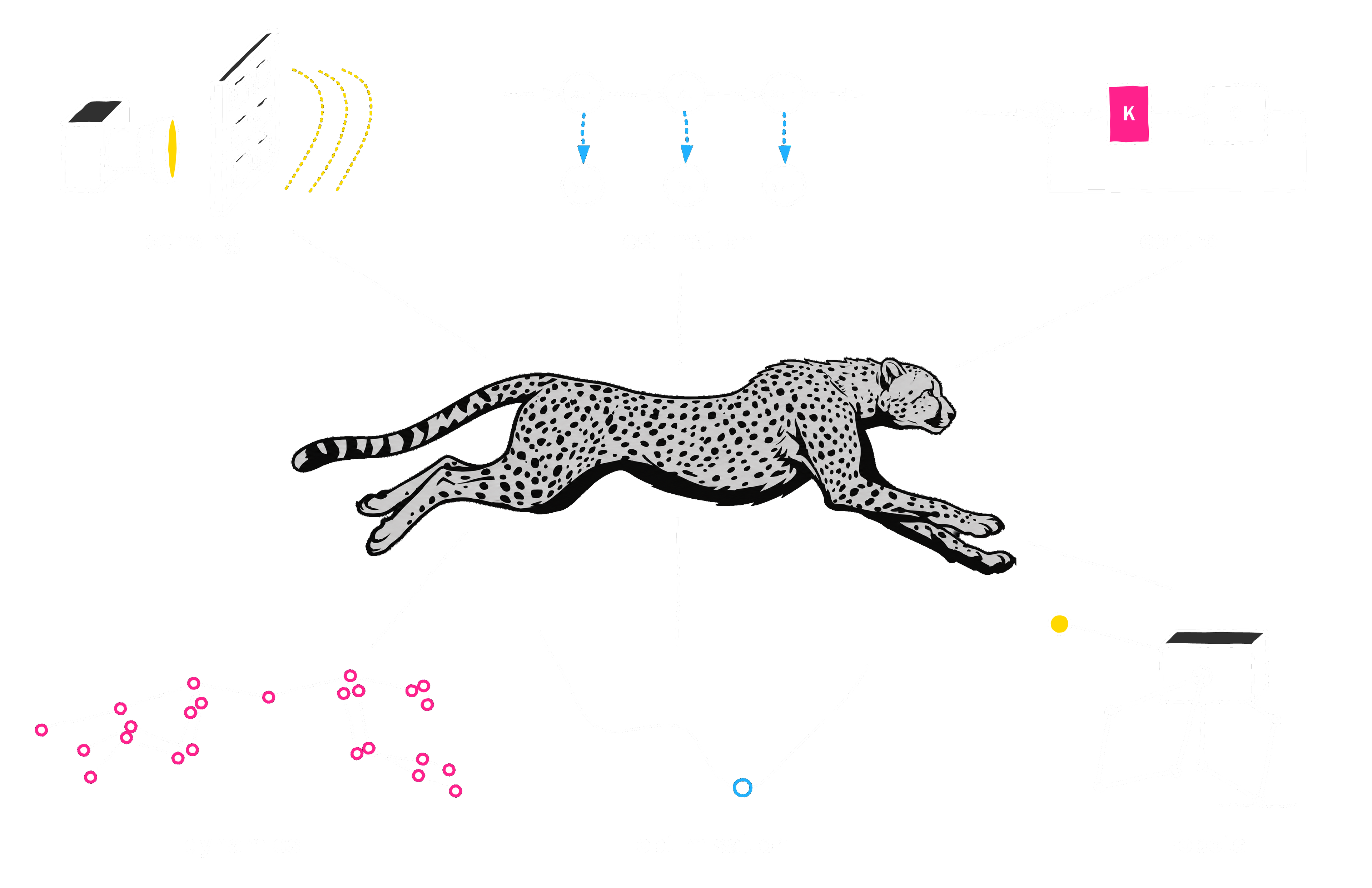
Six capabilities carry the work around that loop.
Sensing
Cameras, thermal and inertial sensors capture animals in the wild without touching them.
Estimation
Computer vision and probabilistic filters turn noisy field recordings into 3D motion.
Control
Feedback laws that keep a body upright, on course and stable at speed.
Dynamics
Mechanical models of skeletons, muscles and contact that explain the forces behind a stride.
Optimisation
Trajectory optimisation and learning ask why an animal moves this way and not another.
Robots
Legged platforms test the answers in hardware, where physics has the final say.
Projects
What we are working on.
Our projects combine field observations, computational models and physical experiments to answer
specific questions about animals and create new technologies.
▾
Wildlife Health Monitoring
Can we measure the health of wildlife remotely and without contact?
Vital signs are among the first things to change when an animal is stressed or unwell, but measuring
them normally means capture and sedation. We combine thermal imaging, long-range video and
physics-informed models of heat transfer through fur to recover those signals at a distance, so that
animals can be screened without ever being touched.
SensingThermal imagingConservation
▾
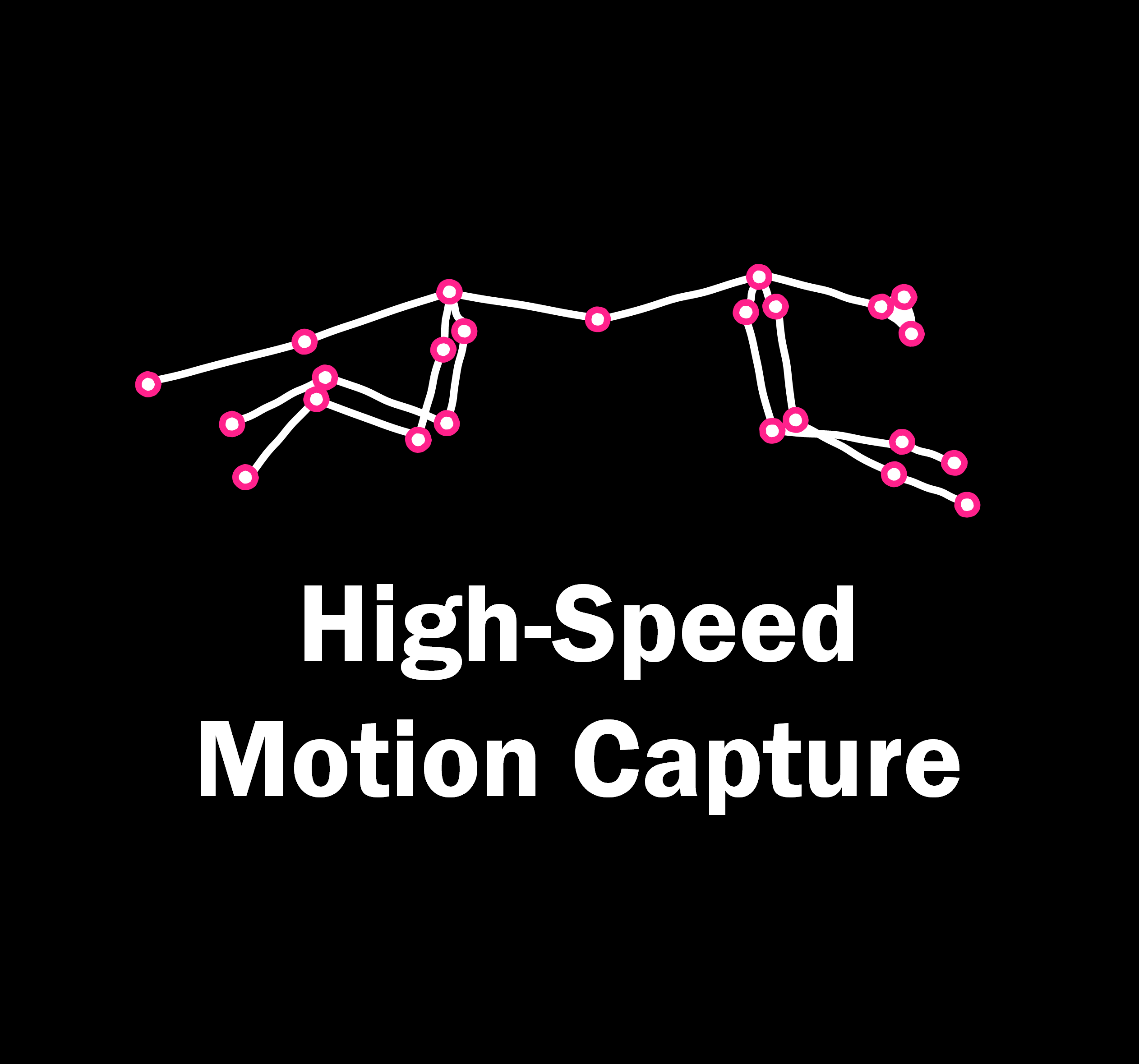
High-Speed Motion Capture
Can we reconstruct complete animal motion outside the controlled laboratory?
Laboratory motion capture cannot follow a cheetah across open ground. Through AcinoSet and WildPose we
pair solid-state LiDAR with synchronised high-speed cameras to reconstruct full 3D body and limb motion
in the field, giving biomechanics the kind of measurement that was previously only possible indoors.
LiDARComputer vision3D pose
▾
Cheetah Neuromechanics
What control strategies explain the cheetah’s exceptional acceleration, braking and turning?
The cheetah accelerates, brakes and turns harder than any legged robot. We use trajectory optimisation,
inverse reinforcement learning and physical robot platforms — including a tail-and-spine
“half-cheetah” — to work out which strategies the animal is actually using, and what a
machine would have to do to match it.
RoboticsOptimal controlRL
▾
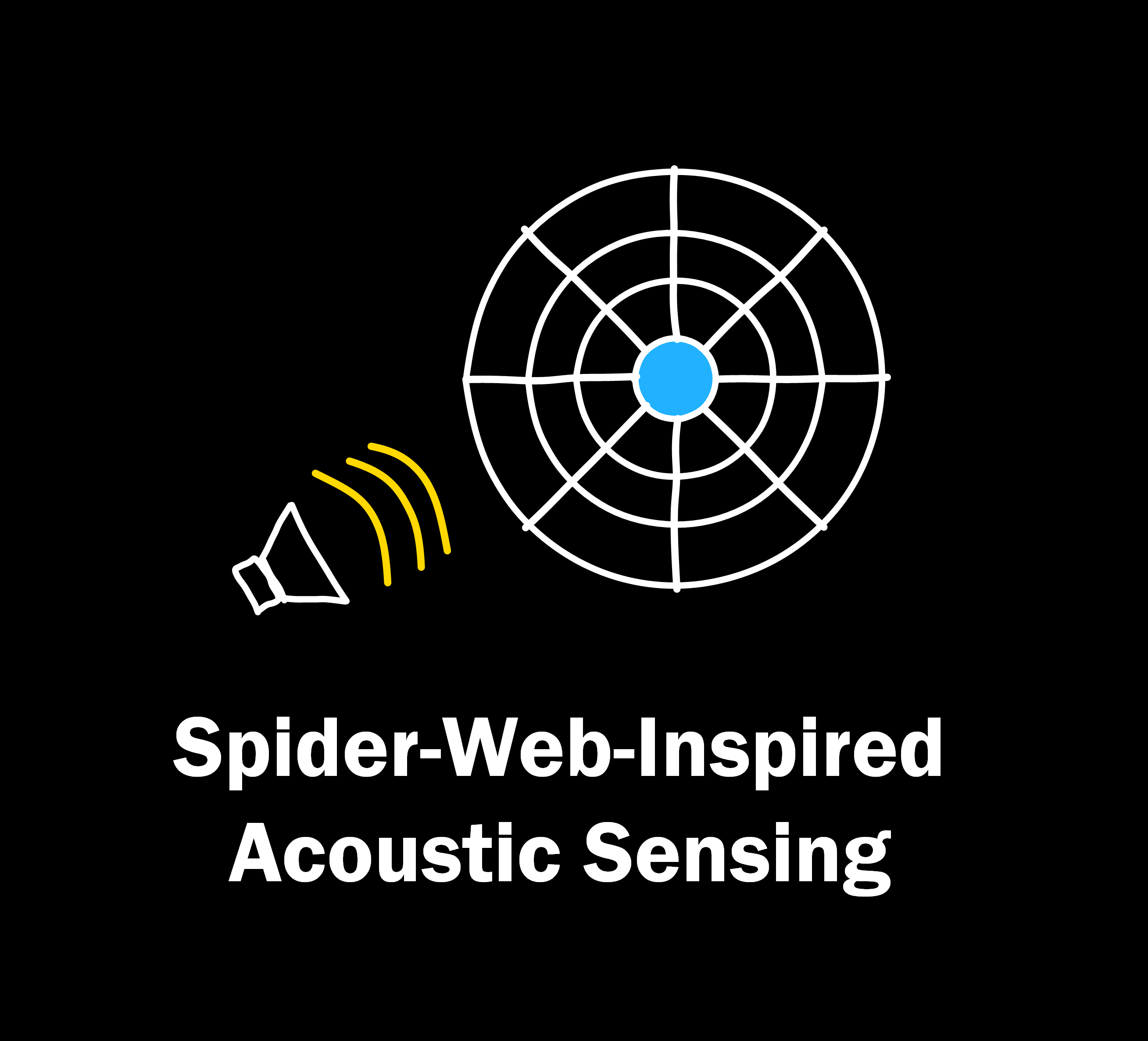
Spider-Web-Inspired Acoustic Sensing
Can spider webs inspire a new class of distributed acoustic sensors?
A spider’s web is already a sensor: the animal reads prey, wind and intruders from vibrations
traveling along the silk. We are asking whether an engineered web can do the same — a lightweight,
largely passive array that picks up sound and movement across a wide area without power-hungry
electronics at every node.
Bio-inspired sensingAcousticsMechanics
Team
Who we are.
A small group of computer scientists, engineers and biologists working across disciplinary boundaries.
We bring together robotics, AI, biomechanics and wildlife science to study questions no single discipline can answer alone.
Principal Investigator
▾
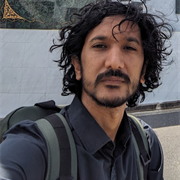
Dr. Amir Patel
Associate Professor in Robotics/AI · UCL CS
I am an engineer who accidentally became a biologist. I use robotics to ask questions
about animals that conventional biological tools cannot answer.
Amir is an Associate Professor at UCL, where he studies how animals achieve agility and speed and then
apply those insights to robotics. His background is in mechatronics engineering, and he began his career as
a flight control engineer before moving into animal biomechanics. Over time, his work has expanded to
include sensor fusion, computer vision, and optimal control—all aimed at measuring and modeling locomotion
in real-world conditions.
He collaborates with conservationists, biologists, and fellow engineers to understand factors like spine
flexibility and tail dynamics in animals. In parallel, he translates those biological principles into more
capable robots, focusing on practical applications in fields such as ecology, disease monitoring, and sports
science. His research has been recognized by awards such as the Google Research Scholar Award and the
MathWorks Research Award, but his main motivation is to uncover how living systems move and adapt, and to
channel that knowledge toward useful, real-world technologies.
Website established: V1 of the REBL website is now live.
Amir awarded ARIA Grant: Amir's project, The Ecological Stethoscope, was awarded the
Engineering Ecosystem Resilience Seed Creators' Grant from Advanced Research + Invention Agency (ARIA).
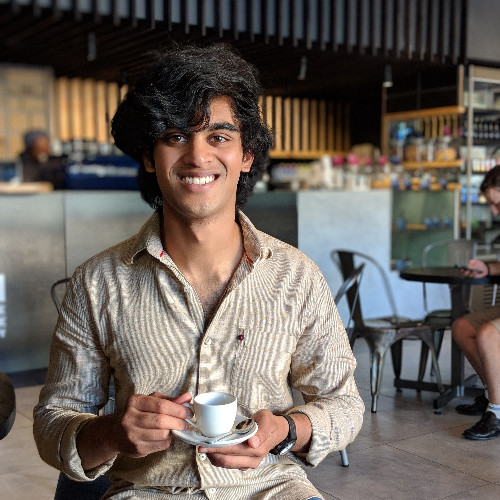
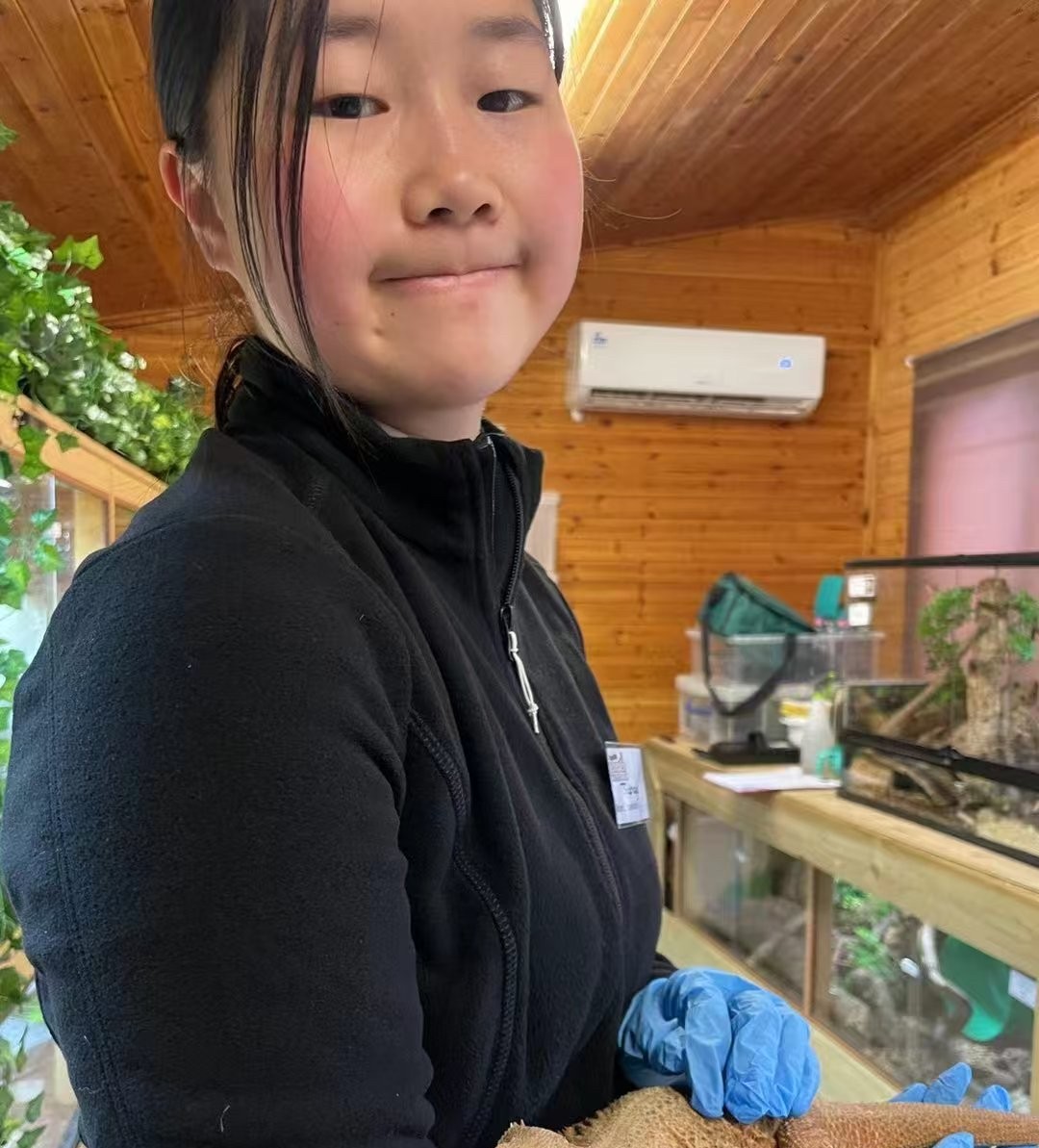
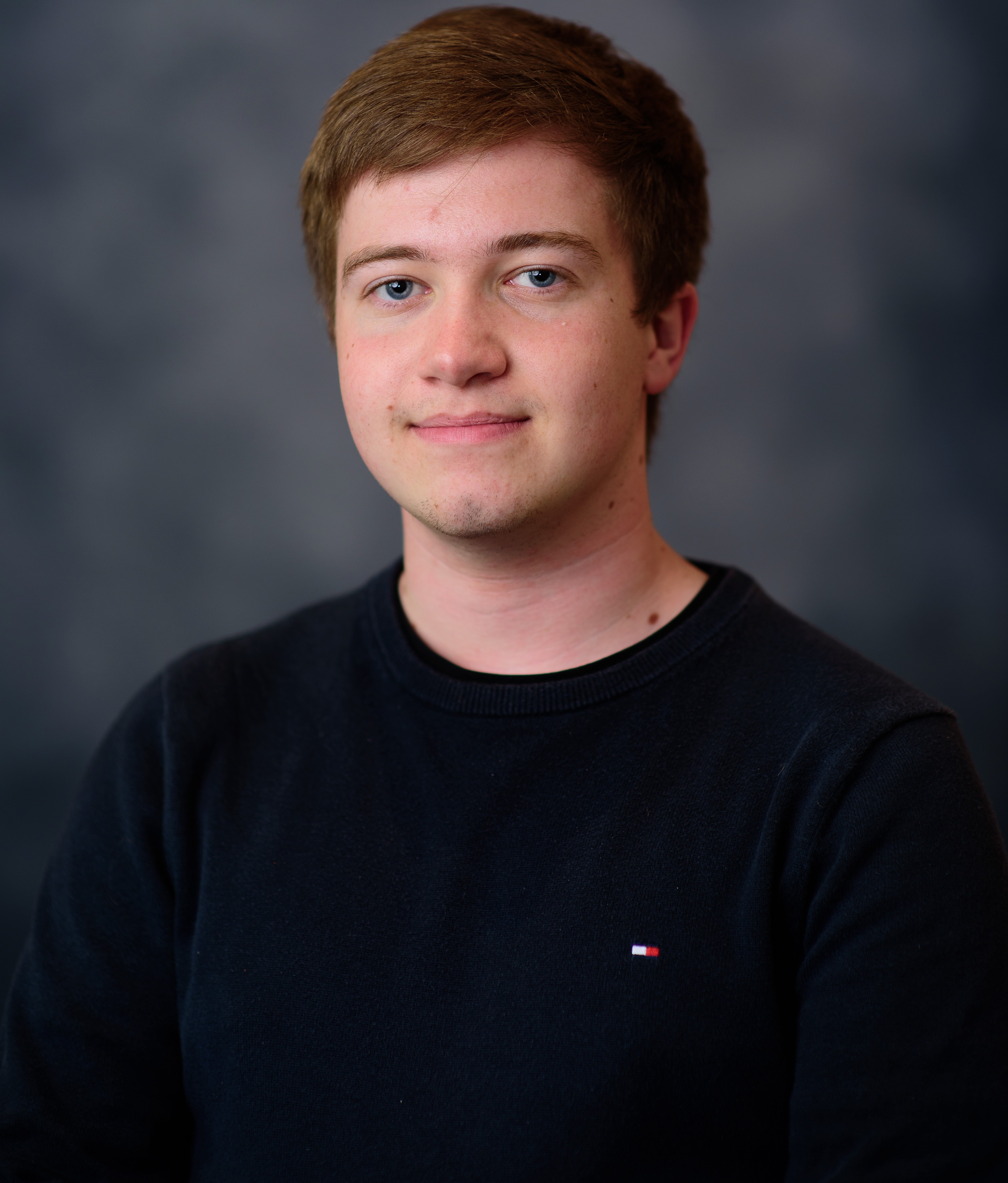
Jiaye joined REBL as a PhD student.
Amir at ICRA 2026: Amir gave a keynote on "Brain Circulation: The Diaspora's Role in
African Robotics", at the Robotic Systems Designed for Underrepresented Communities event as part of the
Community Building Day at IEEE International Conference on Robotics and Automation (ICRA) 2026.
REBL appeared in Rae Harbird Day: Shengyang and Michael gave lectures to KS3 students as
part of the UCL CS flagship outreach event.
Michael joined REBL as a PhD student.
Shengyang joined REBL as a PhD student.
Outputs
Selected work.
REBL produces scientific findings, open datasets, software, sensing systems and robotic platforms.
Showing 0 of 5
Search or pick a filter to browse the full publication list.
Datasets & Benchmarks.
▾
AcinoSet
A 3D pose estimation dataset and baseline models for cheetahs in the wild.
Multi-view synchronised high-speed footage
Camera calibration
Annotated 2D keypoints
Reconstructed 3D trajectories
Baseline estimation methods
The public repository describes the camera-calibration and 3D pose-estimation tools and the
underlying 119,490-frame dataset.
Physical platforms are how we test what the animal data suggests. Each machine isolates one question about
agility — and answering it usually sends us back to the cheetah with a sharper question.
▾
Dima
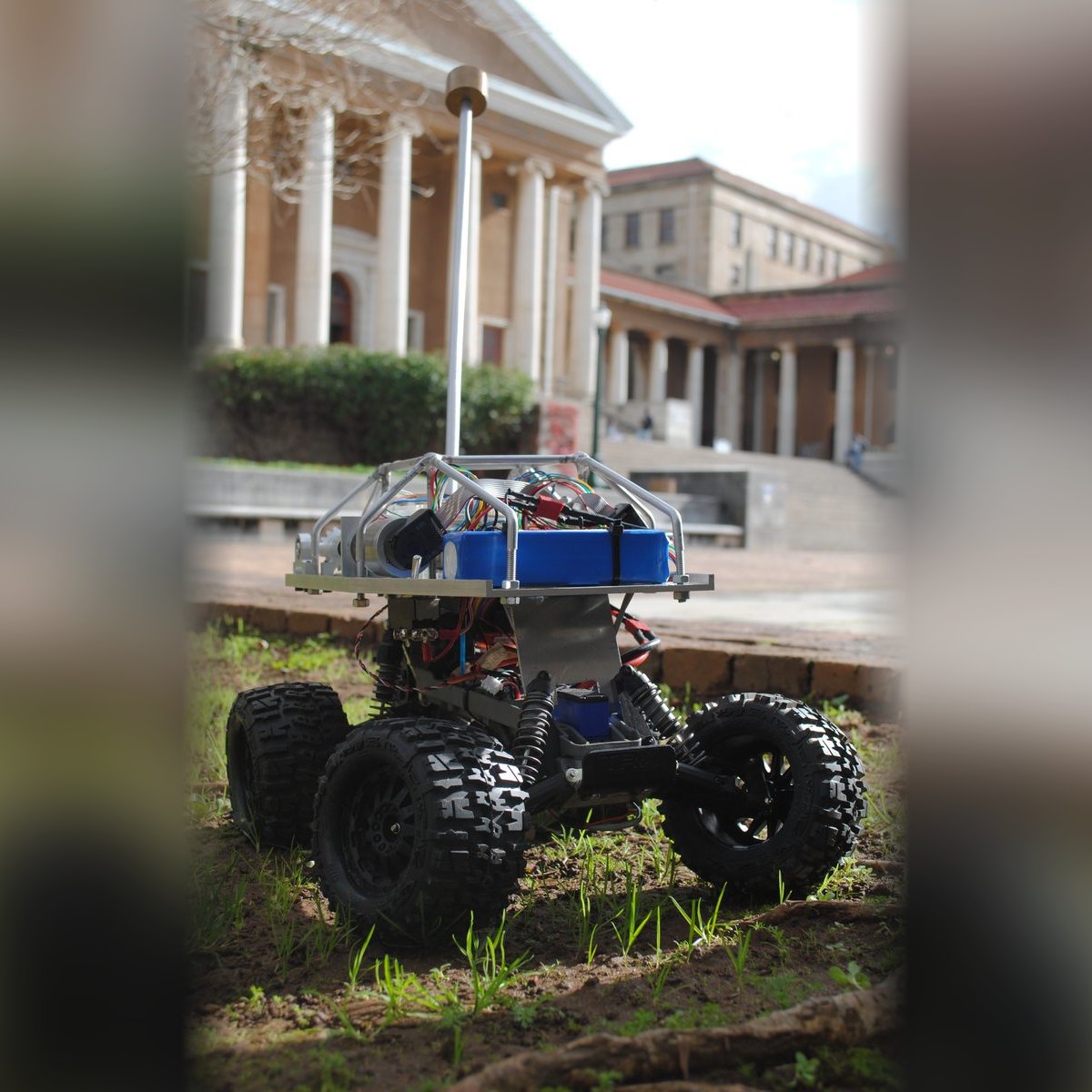
The tailed robot that started the line.
A fast wheeled platform, deliberately built top-heavy enough to topple, carrying a single actuated
tail. It tested the hypothesis drawn from pursuit footage: that a cheetah swings its tail to counter
the rolling moment of a hard turn. Through the same 30° turning step Dima flipped at about
3.1 m/s without the tail and held the turn at 7.5 m/s with it. Later revisions added a second
tail degree of freedom to reproduce the cheetah's conical tail motion, and AeroDima replaced the heavy
inertial tail with a light, drag-based aerodynamic one.
▾
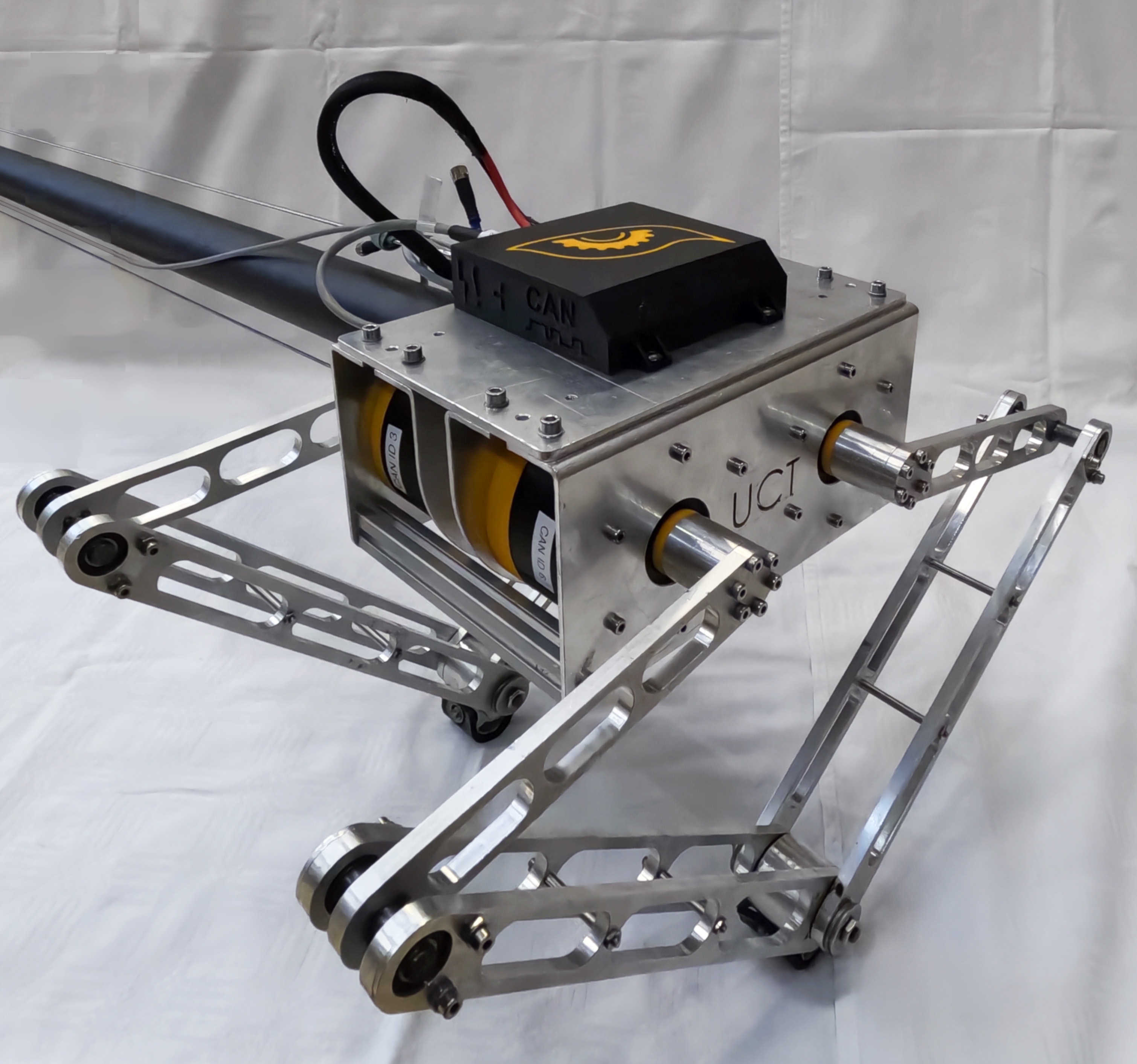
Baleka
A bipedal robot for studying rapid manoeuvrability.
Where Dima asked what a tail is for, Baleka asks what the legs have to do. It is a 14 kg planar
biped on quasi-direct-drive five-bar legs, its geometry chosen by trajectory optimisation and built for
exactly the transient manoeuvres robotics usually designs around — sprinting from standstill and
braking hard to a stop, rather than holding a steady gait. Hopping on both legs it reaches a vertical
agility of 1.86 m/s; on a single leg it still exceeds the human figure of 0.89 m/s.
▾
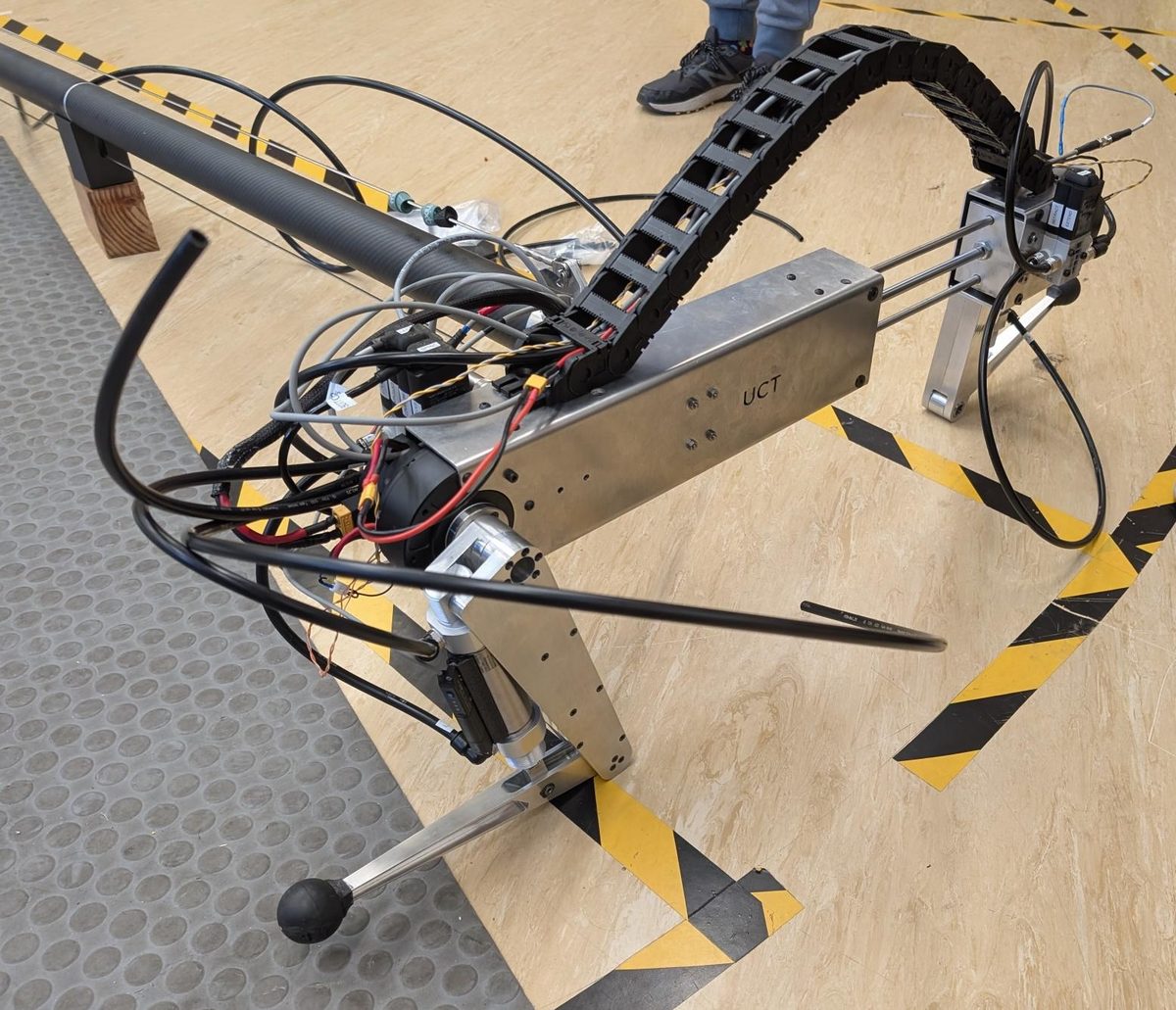
Kemba
A hybrid quadruped, and our platform for the cheetah's spine.
Kemba splits its actuation the way the animal data suggested it should: pneumatic cylinders at the
knees for explosive push-off, electric motors at the hips for fine control. The split follows from a
decade of watching cheetahs accelerate — they do not delicately modulate foot force so much as
push off as hard as they can. Driven by trajectory optimisation that models the pneumatics themselves,
it jumps roughly 2.2 times its own leg length.
It is now the platform for our work on spine morphology. Comparing a rigid back against revolute
(bending) and prismatic (translational) spines under trajectory optimisation, the translational spine
comes out ahead: it lengthens the stride without costing stride frequency, aligns the ground reaction
force better and stores energy along its axis. Across a full acceleration-and-braking trajectory it is
the optimal morphology with about 78.8% probability, and its margin is widest in braking. Modelling
that prediction on Kemba, with its real actuator torque, velocity and piston-force limits in the loop,
the translational spine holds its advantage.
▾
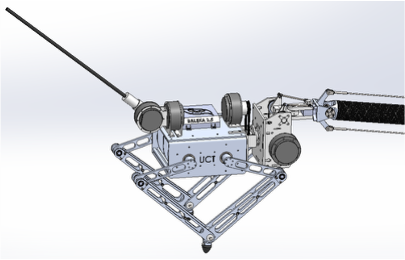
Spaleka
Baleka's legs, joined by a spine.
A cheetah does not run on a rigid back. Spaleka is the newest platform in the line and the one
built to settle the spine question in hardware: Baleka's leg design carried into a quadruped, with an
articulated spine joining the front and rear bodies. It lets the translational-spine result be measured
on a real machine, against a rigid-backed baseline, rather than inferred from optimisation alone.
Join
Join the lab.
We welcome prospective researchers, biological collaborators, conservation partners and organisations
interested in building new tools for understanding animals.
No open positions at the moment
The lab has no vacancies right now. New roles are announced here
and on the UCL jobs site. We are still glad to hear from prospective PhD students, visiting researchers and
collaborators — get in touch through the contact page.
The following are open MSc/MEng thesis projects for UCL students.
Click a
project to read more, or download the PDF for the full description.
▾
Beyond Shape: Wildlife Species Recognition Using LiDAR Reflectivity
Robotics PerceptionComputer Vision3D Vision & Point CloudsMachine LearningSensingWildlife Monitoring
This project investigates whether solid-state LiDAR point clouds can be used to identify wildlife
species and whether LiDAR intensity (reflectivity) provides information beyond 3D geometry. Using an
existing Livox Tele-15 dataset collected on wildlife in South Africa, with potential extensions from UK
partner zoos, the student will develop and compare geometry-only and reflectivity-aware classification
methods using both classical point-cloud features and deep learning approaches. A key scientific
question is whether reflectivity contains biologically meaningful information or primarily reflects
sensor and environmental effects. The project aims to establish a benchmark for wildlife LiDAR
recognition and evaluate the benefits of combining geometric and intensity information, with potential
for publication in a sensing, computer vision, or robotics venue.
▾
Half-Cheetah: A Physical Model for Tail-Spine Coupling in Locomotion
Legged RoboticsControl and DynamicsBio-inspired RoboticsModelling & Simulation Mechatronics Real-time Control
This project investigates the role of the cheetah’s flexible spine in agile locomotion using a reduced
robotic “half-cheetah” platform developed by the African Robotics Unit at the University of Cape Town.
The student will develop a stable galloping-inspired controller for the robot’s hindquarters and 3-DOF
spine, building a Simscape model, deriving reduced-order dynamics, and deploying the controller on a
Speedgoat real-time system. By comparing locked-spine and active-spine conditions using metrics such as
stride consistency, disturbance rejection, body attitude recovery, and hindquarter re-alignment, the
project aims to quantify the contribution of spinal motion to locomotor performance. The resulting
platform will provide a validated baseline for future tail studies and a physical model for
investigating cheetah neuromechanics.
▾
Seeing Through Fur: Physics-Informed Core Temperature Estimation
Robotics & AI Sensing and InstrumentationComputer VisionMachine LearningThermal PhysicsWildlife Technology
This project investigates whether core body temperature can be estimated from thermal images using a
physics-informed approach that accounts for heat transfer through insulating fur. The student will
develop a controlled experimental platform consisting of a heated-core phantom, interchangeable fur
layers, internal temperature sensors, and thermal imaging, before building a thermal inversion model to
infer internal temperature from surface observations. The approach may combine physical heat-transfer
modelling with learned parameter estimation or residual correction and will be benchmarked against
conventional thermal-imaging and end-to-end machine learning methods. If successful, the method will be
validated on canine data and potentially applied to existing cheetah datasets. The project aims to
deliver a validated thermal test platform, a physics-informed temperature estimator, and a rigorous
comparison with data-driven alternatives, with potential for publication in sensing, robotics, or
animal-monitoring research.
Contact
Get in touch.
Bring robotics and biology into the same room.
Lab address
Robotics-Enabled Biology Lab
Department of Computer Science
University College London
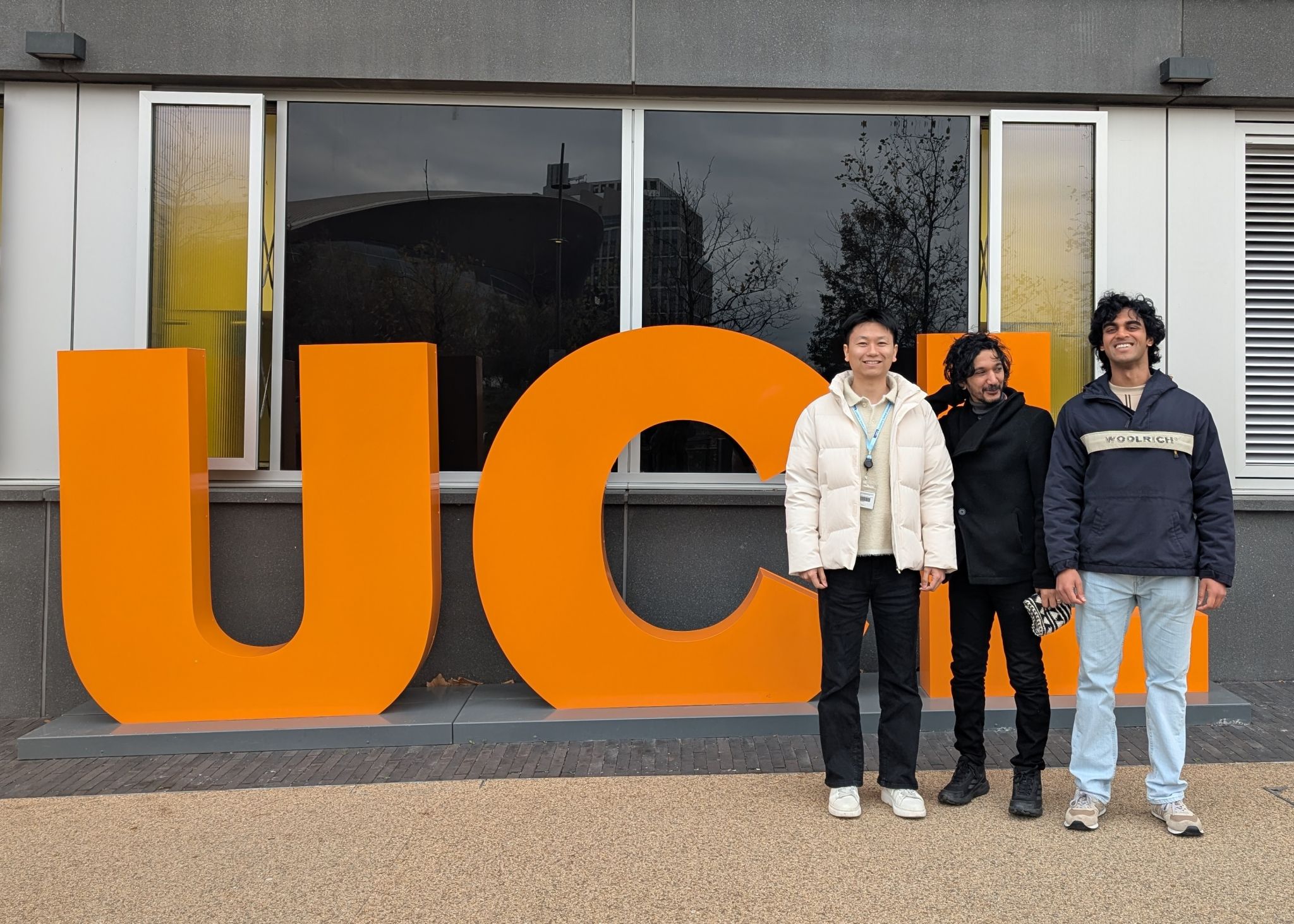
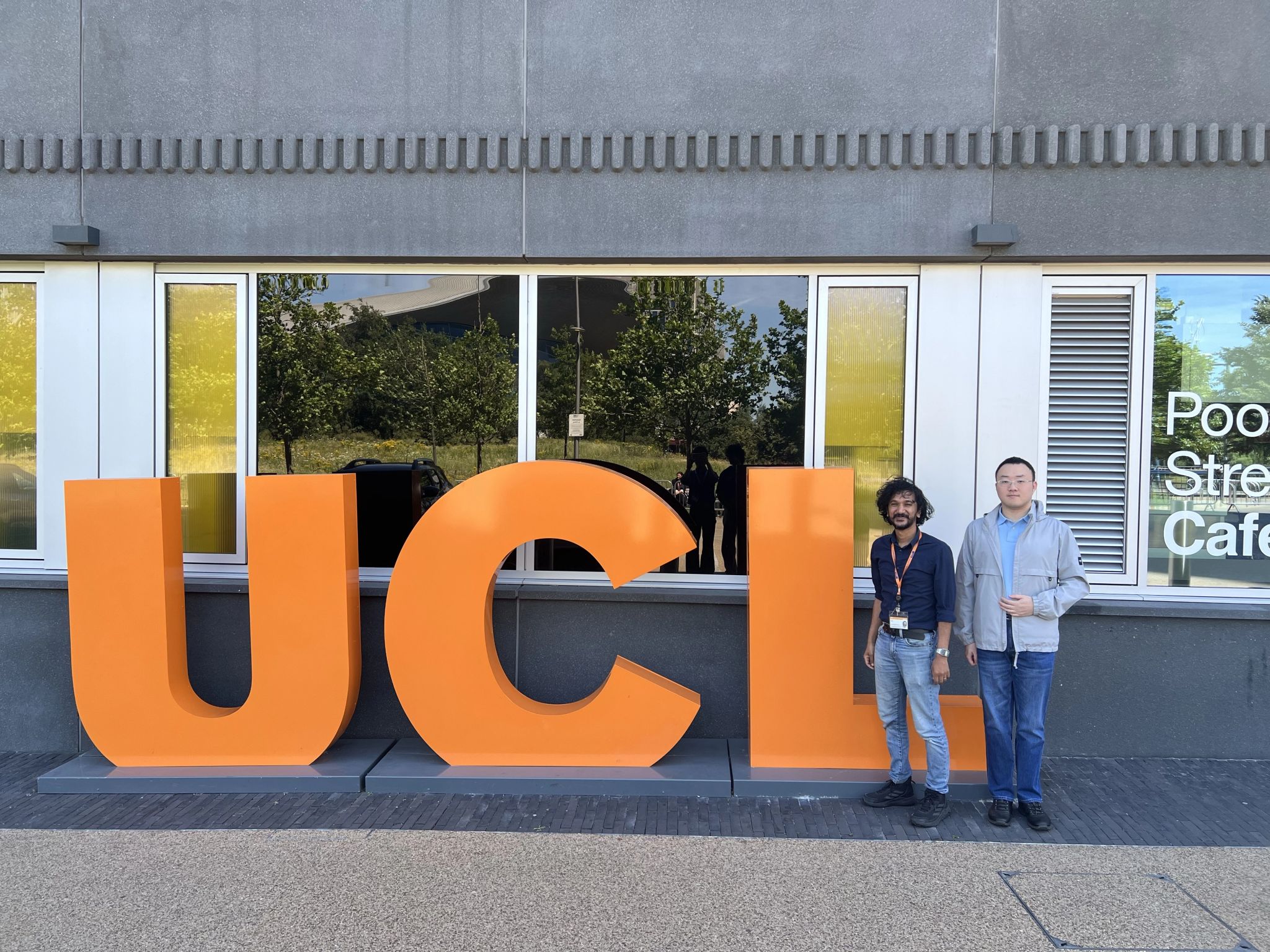
One Pool Street, 1 Pool Street, London E20 2AF · United Kingdom